Machine Weft Technology: Advanced Weaving Solutions for Superior Textile Manufacturing

Get a Free Quote

Our representative will contact you soon.
Email
Name
Company Name
Message
0/1000

machine weft

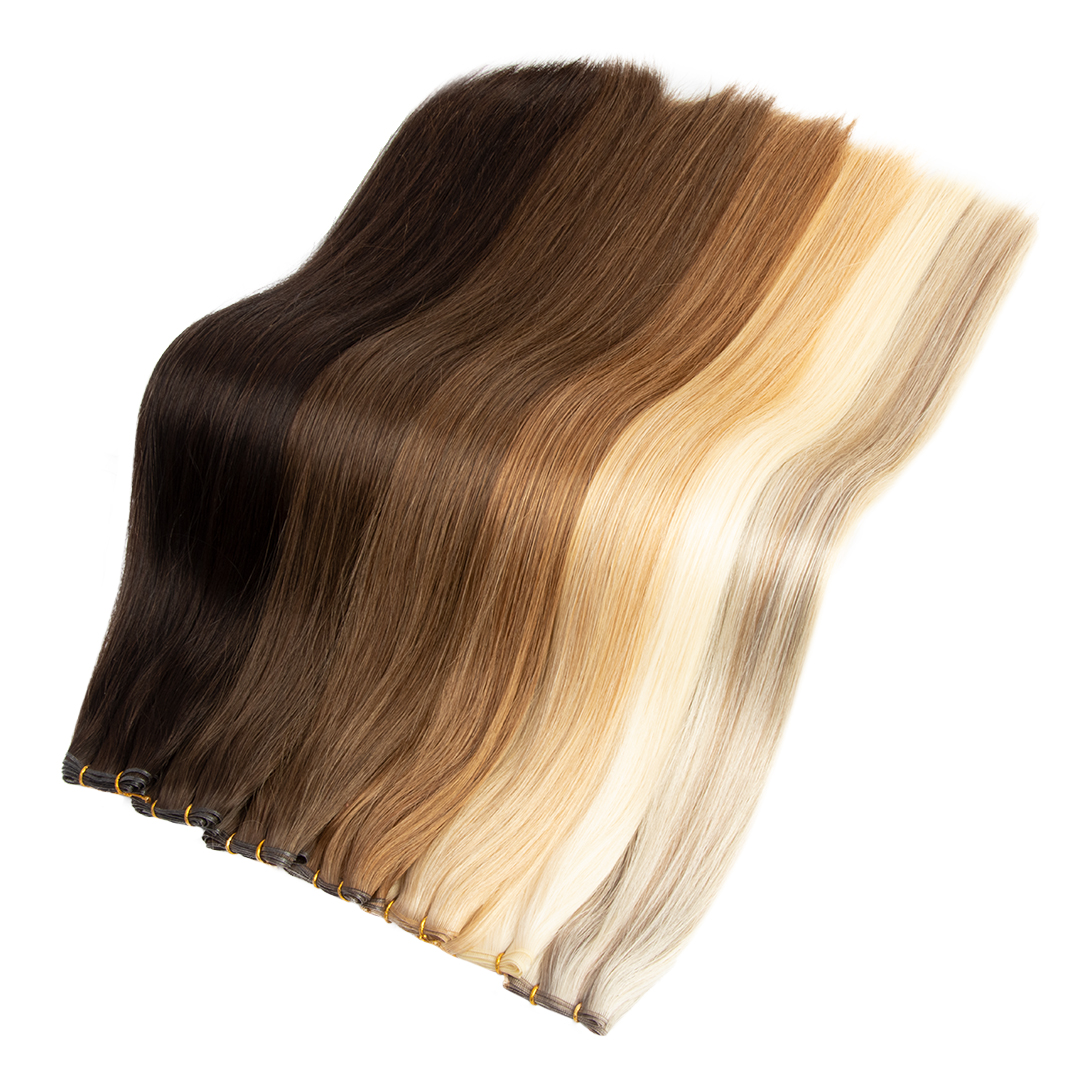
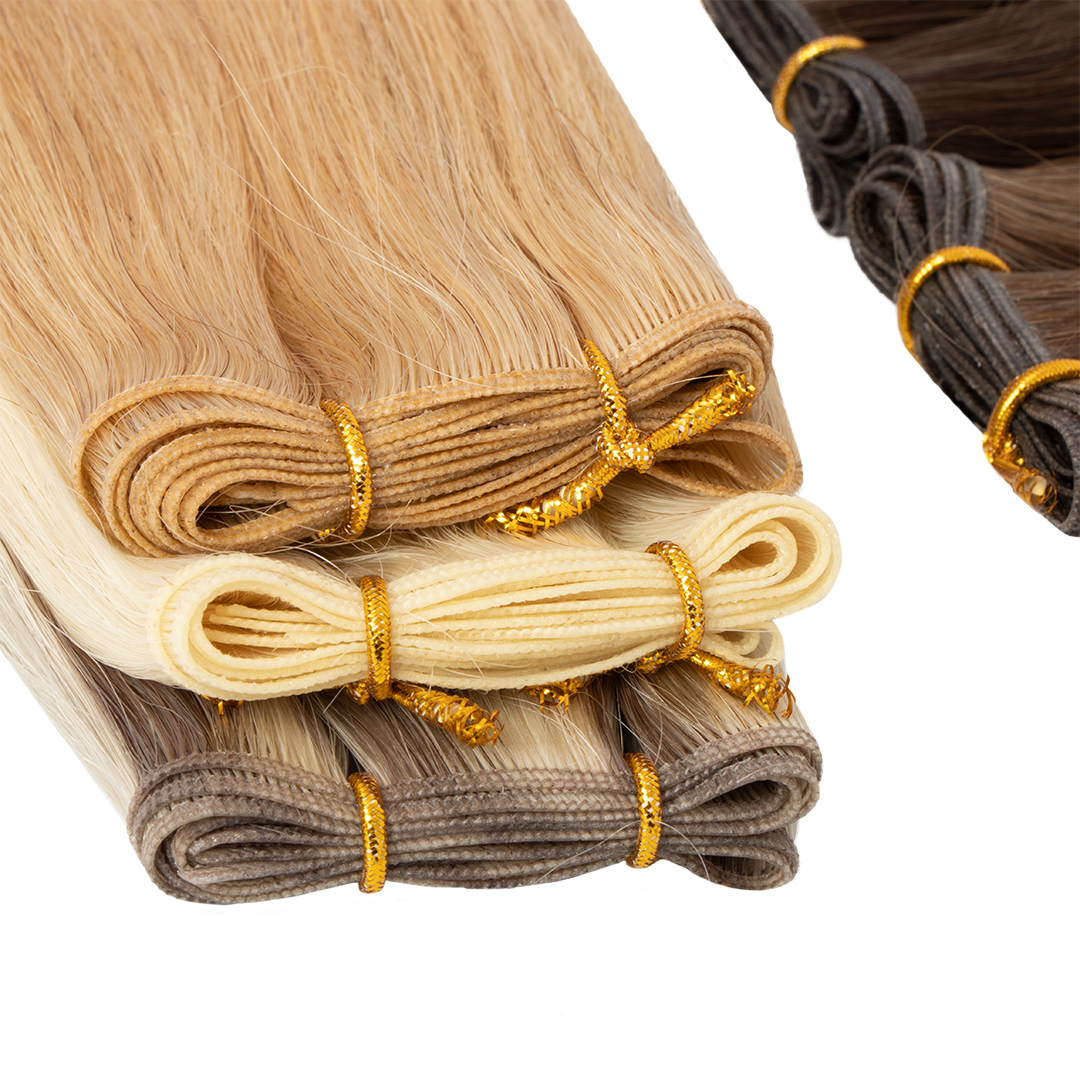
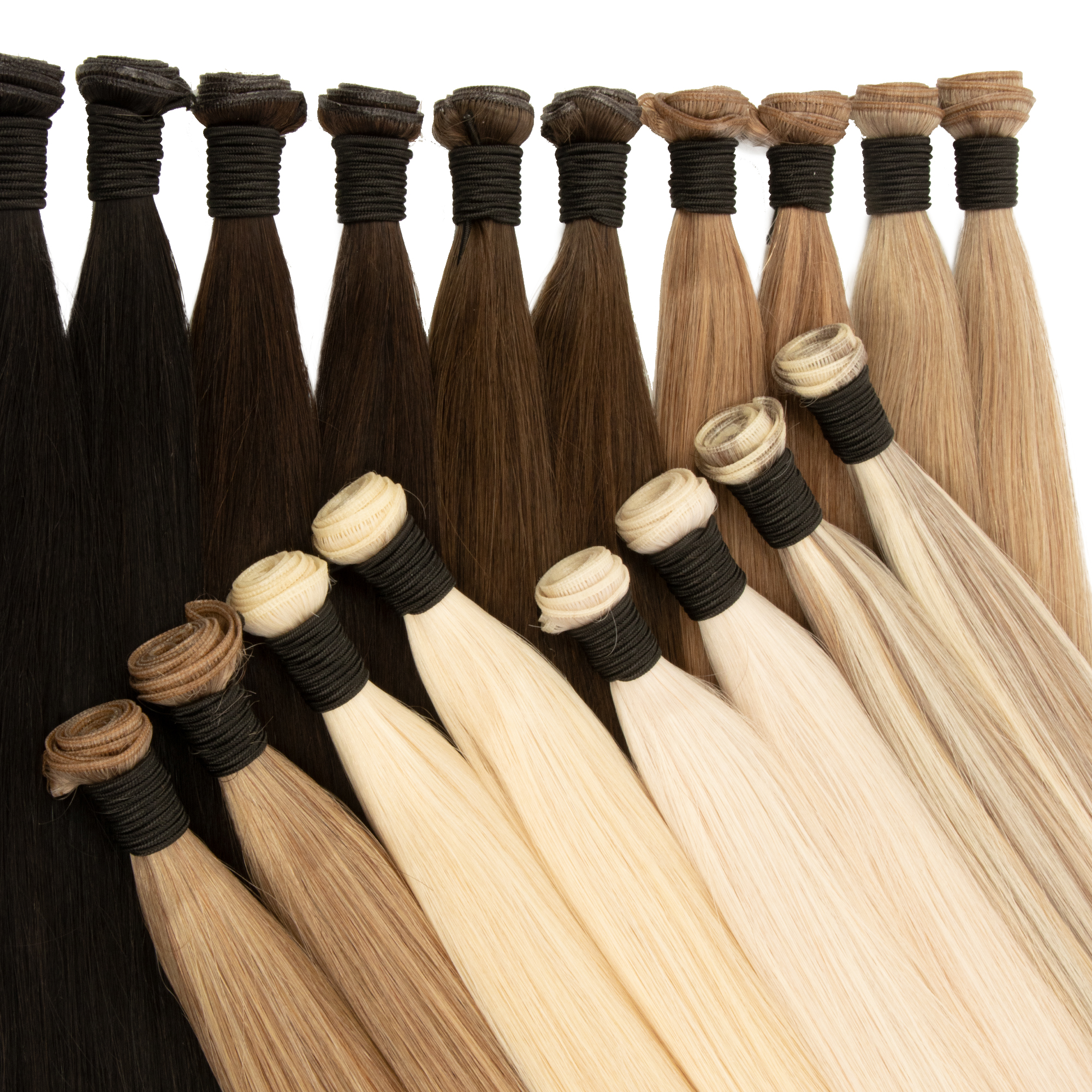
Machine weft represents a revolutionary advancement in textile manufacturing, transforming how fabrics are produced across various industries. This sophisticated weaving technology integrates automated systems with precision engineering to create consistent, high-quality textile products. The machine weft operates through a complex mechanism that interlaces horizontal threads, known as weft yarns, with vertical warp threads to form durable fabric structures. Modern machine weft systems incorporate computerized controls that monitor tension, speed, and pattern formation throughout the weaving process. The technology enables manufacturers to produce fabrics with exceptional uniformity while maintaining optimal thread density and structural integrity. Machine weft applications span numerous sectors, including fashion, automotive, aerospace, and technical textiles. In fashion manufacturing, this technology produces everything from lightweight cotton fabrics to heavy-duty denim materials. Automotive industries utilize machine weft systems to create seat covers, interior panels, and safety components that meet stringent quality standards. The aerospace sector relies on machine weft technology for producing specialized fabrics used in aircraft interiors and protective equipment. Technical textile applications include geotextiles for construction projects, medical textiles for healthcare applications, and industrial fabrics for filtration systems. The machine weft process begins with yarn preparation, where threads undergo cleaning, sizing, and conditioning to ensure optimal weaving performance. Advanced tensioning systems maintain consistent thread tension throughout production, preventing defects and ensuring uniform fabric characteristics. Quality control sensors continuously monitor the weaving process, detecting irregularities and automatically adjusting parameters to maintain product specifications. The integration of artificial intelligence and machine learning algorithms has further enhanced machine weft capabilities, enabling predictive maintenance and real-time optimization. These technological improvements have significantly reduced production waste while increasing output efficiency and product quality consistency across different fabric types and specifications.

New Product Releases

Machine weft technology delivers exceptional production efficiency that transforms manufacturing operations across textile industries. This advanced system reduces production time by up to sixty percent compared to traditional weaving methods, enabling manufacturers to meet tight deadlines and increase overall output capacity. The automated nature of machine weft eliminates human error variables that often compromise fabric quality, resulting in consistent products that meet exact specifications every time. Quality control becomes seamless through integrated monitoring systems that detect defects immediately, preventing costly material waste and ensuring customer satisfaction. Cost-effectiveness emerges as a primary benefit since machine weft reduces labor requirements while maximizing material utilization efficiency. The technology minimizes thread breakage and tension inconsistencies that typically plague manual weaving processes, leading to significant material savings over extended production runs. Versatility stands out as another crucial advantage, allowing manufacturers to produce diverse fabric types without extensive equipment modifications. From delicate silk fabrics to robust canvas materials, machine weft adapts to various yarn types and weaving patterns with minimal setup adjustments. Energy efficiency contributes to reduced operational costs through optimized motor systems and intelligent power management features. The precision engineering inherent in machine weft systems ensures minimal maintenance requirements, reducing downtime and extending equipment lifespan. Scalability becomes effortless as manufacturers can easily adjust production volumes to match market demand without compromising quality standards. The technology supports rapid pattern changes, enabling quick responses to fashion trends and customer preferences. Environmental benefits include reduced waste generation and lower energy consumption compared to conventional weaving methods. Machine weft systems incorporate recycling capabilities that process yarn waste into usable materials, supporting sustainable manufacturing practices. The consistent output quality eliminates the need for extensive post-production treatments, reducing chemical usage and processing time. Digital integration allows seamless connection with existing manufacturing systems, enabling comprehensive production tracking and inventory management. Real-time data collection provides valuable insights into production efficiency, helping manufacturers optimize operations and reduce costs. The reliability of machine weft technology ensures consistent delivery schedules, building stronger customer relationships and enhancing business reputation in competitive markets.

Tips And Tricks

It made its second appearance at the Las Vegas International Exhibition in the United States and received a new order of US$21,000 on site

22

Jan

It made its second appearance at the Las Vegas International Exhibition in the United States and received a new order of US$21,000 on site

View More
Looking Back, Moving Forward: Haohao hair Celebrates a Year of Growth, Gratitude, and Uncompromising Quality

22

Jan

Looking Back, Moving Forward: Haohao hair Celebrates a Year of Growth, Gratitude, and Uncompromising Quality

View More
How to Choose Truly High-Quality Human Hair? Professional Supplier Reveals Four Core Standards

22

Jan

How to Choose Truly High-Quality Human Hair? Professional Supplier Reveals Four Core Standards

View More

Get a Free Quote

Our representative will contact you soon.
Email
Name
Company Name
Message
0/1000

machine weft

Precision Engineering Excellence for Superior Fabric Quality

Precision Engineering Excellence for Superior Fabric Quality

Machine weft technology revolutionizes textile production through precision engineering that delivers unparalleled fabric quality consistency. The sophisticated control systems monitor every aspect of the weaving process, from thread tension to pattern alignment, ensuring each fabric meets exact specifications without deviation. Advanced sensors continuously track yarn movement, automatically adjusting parameters to maintain optimal weaving conditions throughout production cycles. This precision eliminates common defects such as uneven thread distribution, tension variations, and pattern irregularities that plague traditional weaving methods. The engineering excellence extends to the mechanical components, featuring high-precision bearings, calibrated tensioning systems, and computer-controlled shuttle movements that operate with microscopic accuracy. Temperature and humidity controls create ideal environmental conditions for consistent yarn behavior, preventing shrinkage, stretching, or brittleness that could compromise fabric integrity. The machine weft system incorporates multiple quality checkpoints where automated inspection systems examine fabric characteristics using advanced imaging technology and laser measurement tools. These systems detect microscopic flaws invisible to human inspection, ensuring only perfect fabrics proceed through production stages. The precision engineering also enables complex pattern creation with mathematical exactness, allowing manufacturers to produce intricate designs with consistent repeatability across thousands of yards. Quality assurance becomes effortless through integrated documentation systems that record every production parameter, creating comprehensive quality certificates for each fabric batch. The engineering precision translates directly into reduced waste, as consistent quality eliminates the need for rework or rejection of substandard materials. Customer satisfaction increases significantly when every delivered fabric meets exact specifications, building long-term business relationships and market reputation. The precision capabilities also enable manufacturers to work with exotic or challenging materials that require exact handling parameters, expanding market opportunities and product portfolios. This engineering excellence positions machine weft technology as the premier choice for manufacturers who prioritize quality consistency and customer satisfaction in competitive textile markets.
Revolutionary Automation Technology for Enhanced Production Efficiency

Revolutionary Automation Technology for Enhanced Production Efficiency

Machine weft automation technology transforms manufacturing operations by eliminating manual bottlenecks and optimizing production workflows for maximum efficiency. The fully automated systems operate continuously with minimal human intervention, enabling round-the-clock production that maximizes facility utilization and output capacity. Intelligent automation algorithms coordinate multiple machine functions simultaneously, optimizing yarn feeding, tension control, and pattern execution to maintain peak performance levels throughout extended production runs. The technology incorporates predictive maintenance capabilities that monitor component wear and performance degradation, scheduling maintenance activities before equipment failures occur. This proactive approach minimizes unexpected downtime and extends equipment lifespan while maintaining consistent production schedules. Automated material handling systems seamlessly integrate with machine weft operations, managing yarn supply, waste removal, and finished fabric collection without manual intervention. The automation extends to quality control processes, where integrated inspection systems automatically identify and remove defective materials while maintaining production flow continuity. Advanced programming interfaces allow operators to quickly configure new weaving patterns and specifications, reducing setup time between different fabric types from hours to minutes. The automation technology supports flexible production scheduling, enabling manufacturers to switch between different orders efficiently while maintaining optimal machine utilization rates. Real-time monitoring dashboards provide comprehensive visibility into production metrics, allowing managers to make data-driven decisions that optimize efficiency and resource allocation. The automated systems also incorporate energy management features that optimize power consumption during different production phases, reducing operational costs while maintaining performance standards. Machine learning algorithms continuously analyze production data to identify optimization opportunities, automatically implementing improvements that enhance efficiency over time. The automation capabilities enable manufacturers to respond quickly to market demands and customer requirements without compromising quality or efficiency standards. This revolutionary technology positions manufacturers for competitive advantage through superior operational efficiency and responsive customer service capabilities.
Versatile Application Capabilities for Diverse Market Opportunities

Versatile Application Capabilities for Diverse Market Opportunities

Machine weft technology offers exceptional versatility that opens diverse market opportunities across multiple industries and fabric applications. The adaptable design accommodates various yarn types, from natural fibers like cotton and wool to synthetic materials including polyester, nylon, and advanced technical fibers used in specialized applications. This versatility enables manufacturers to serve multiple market segments without investing in separate equipment for different fabric types. The technology seamlessly transitions between lightweight fabrics for fashion applications and heavy-duty materials for industrial use, maximizing equipment utilization and return on investment. Pattern versatility stands as a crucial capability, allowing production of everything from simple plain weaves to complex jacquard patterns with intricate designs and multiple color combinations. The machine weft system supports rapid pattern changes through digital programming interfaces, enabling manufacturers to respond quickly to fashion trends and customer specifications. Width flexibility accommodates various fabric dimensions, from narrow ribbons to wide industrial textiles, expanding potential applications and market reach. The technology adapts to different yarn weights and tensions, processing delicate silk threads alongside robust canvas yarns with equal precision and consistency. Special finishing capabilities integrate with machine weft systems to produce fabrics with specific characteristics such as water resistance, flame retardancy, or antimicrobial properties during the weaving process. Multi-layer weaving capabilities enable production of composite fabrics that combine different materials for enhanced performance characteristics. The versatility extends to production volumes, efficiently handling both small custom orders and large-scale industrial production runs without compromising quality or efficiency. Market diversification becomes achievable as manufacturers can serve fashion, automotive, aerospace, medical, and construction industries using the same core equipment with different configurations. This adaptability provides business resilience against market fluctuations and enables manufacturers to capitalize on emerging opportunities in growing market segments. The comprehensive versatility of machine weft technology positions manufacturers for sustainable growth and competitive advantage across diverse textile markets while maximizing equipment investment returns through broad application capabilities.

Get a Free Quote

Our representative will contact you soon.
Email
Name
Company Name
Message
0/1000