slavic extensions
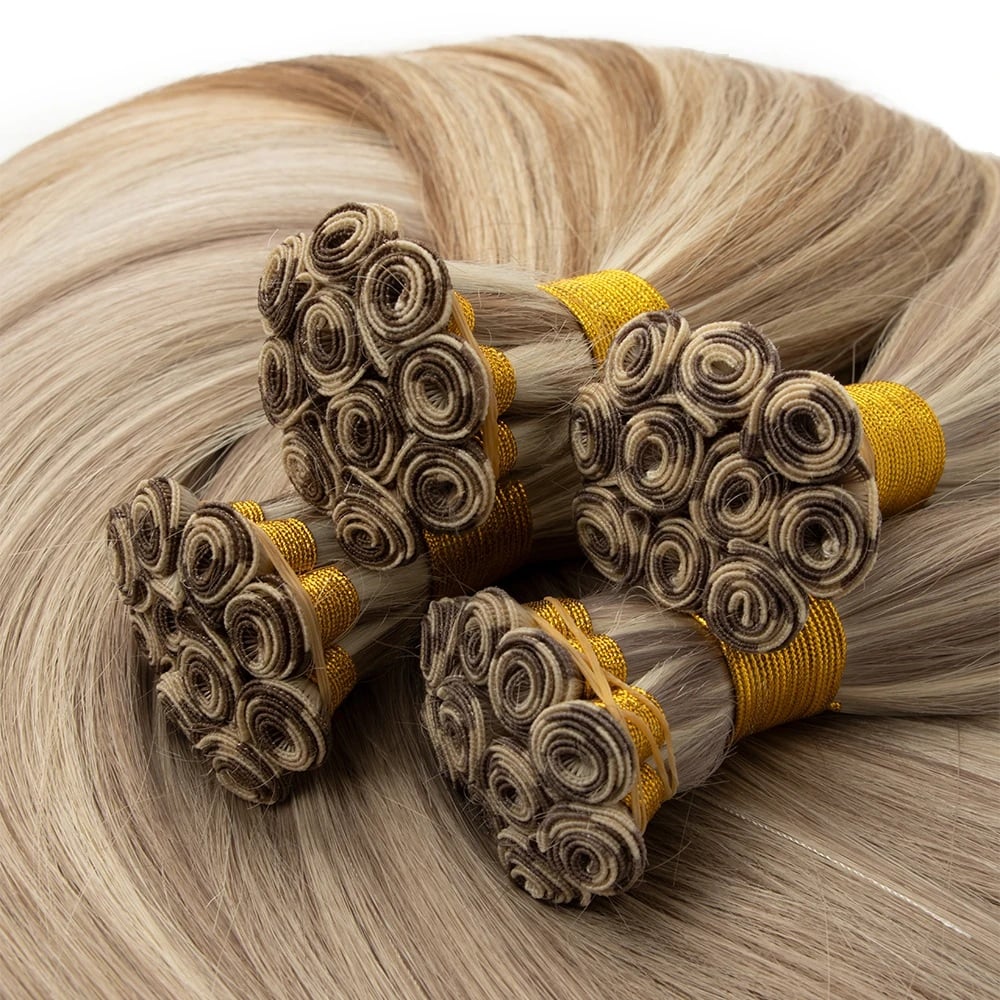
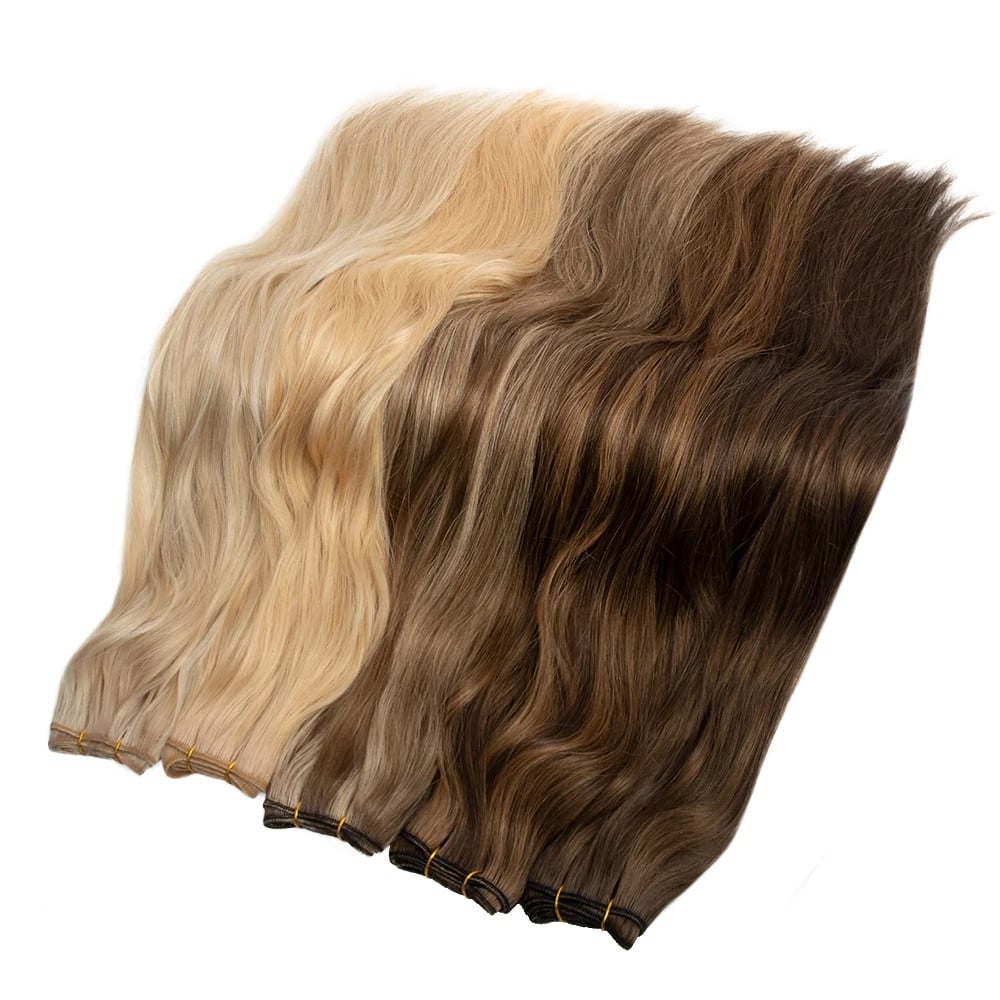
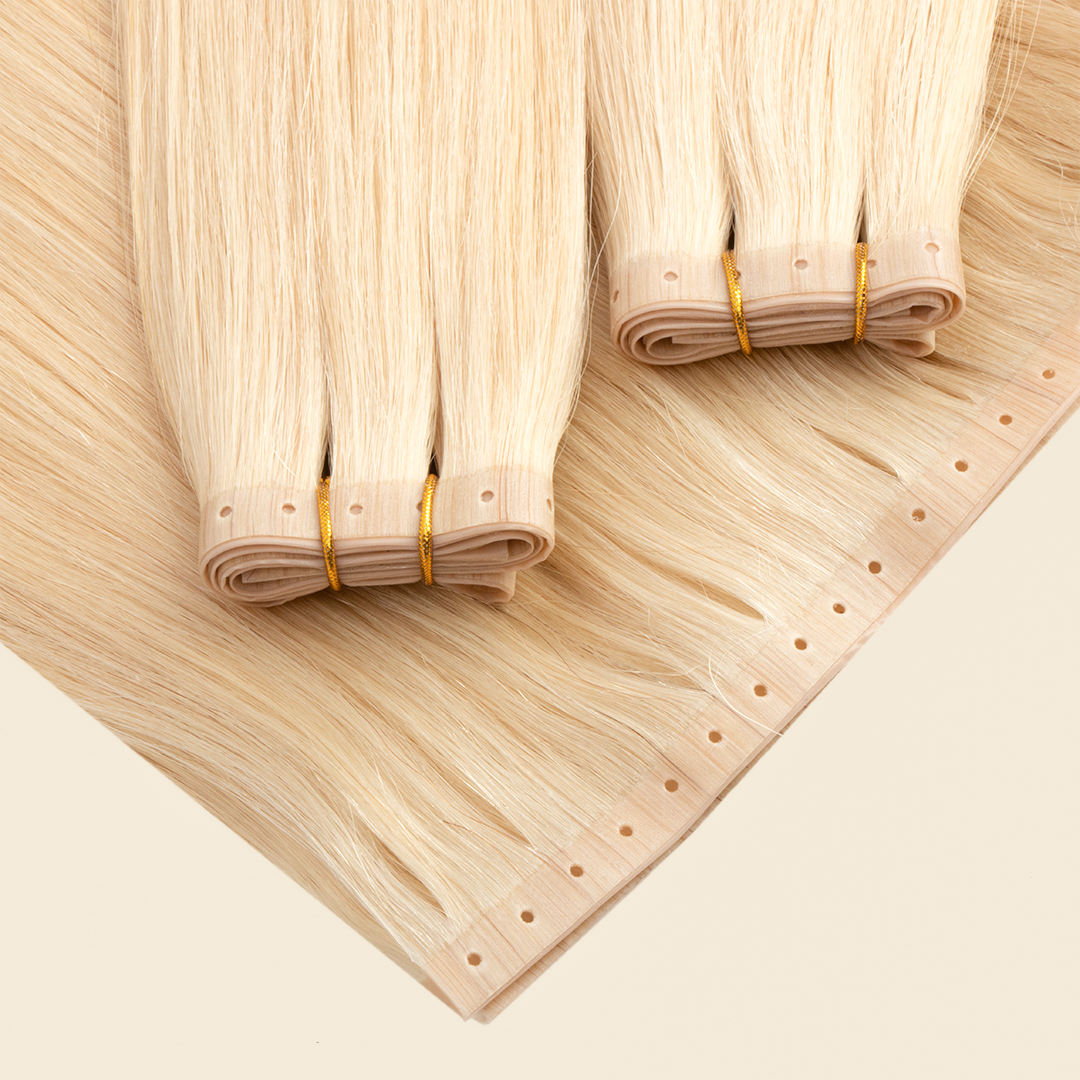
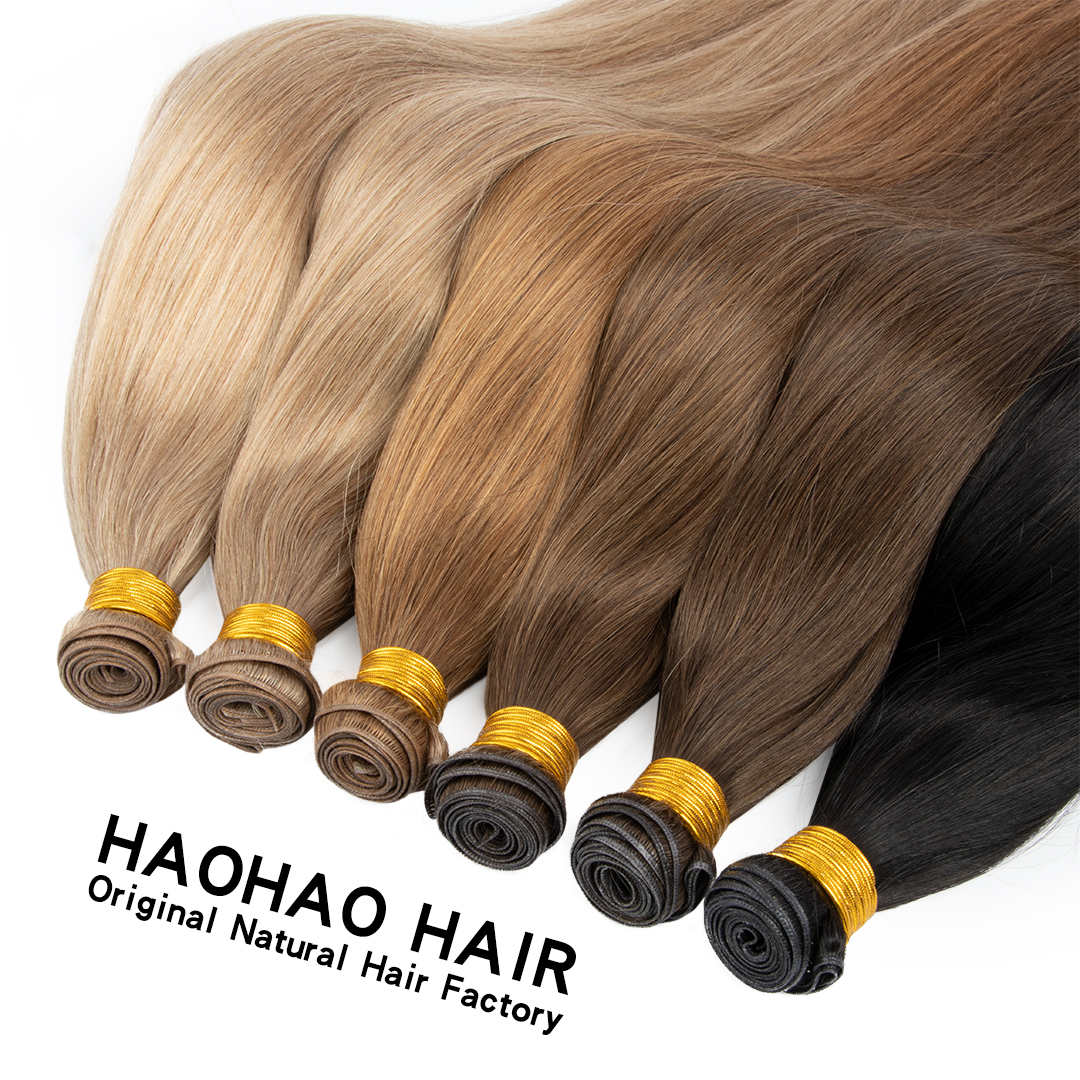
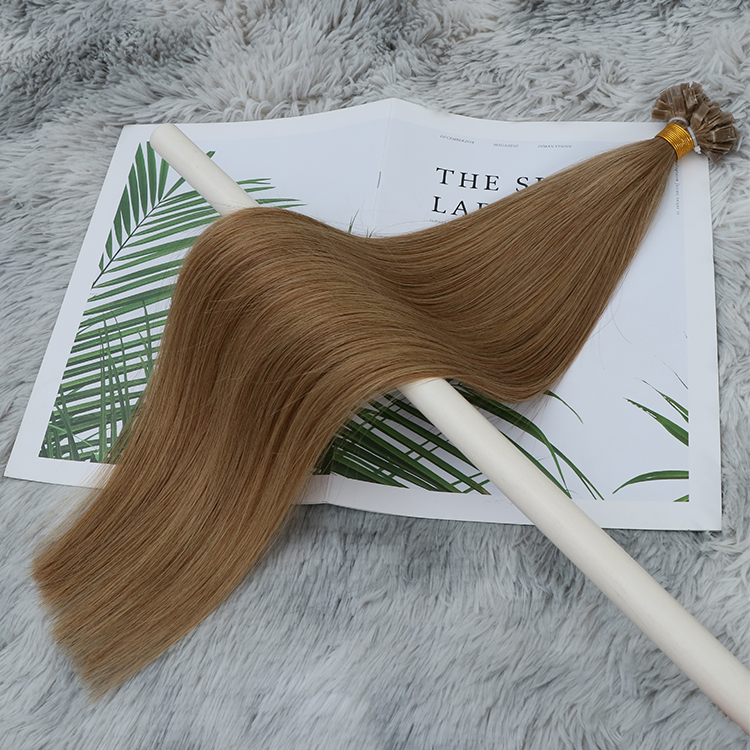
Slavic extensions represent a specialized category of hair enhancement products designed to add volume, length, and density to natural hair. These extensions are crafted with authentic Slavic hair, known for its superior quality, natural appearance, and exceptional durability. Slavic extensions have become increasingly popular among individuals seeking to transform their hairstyle without compromising hair health.
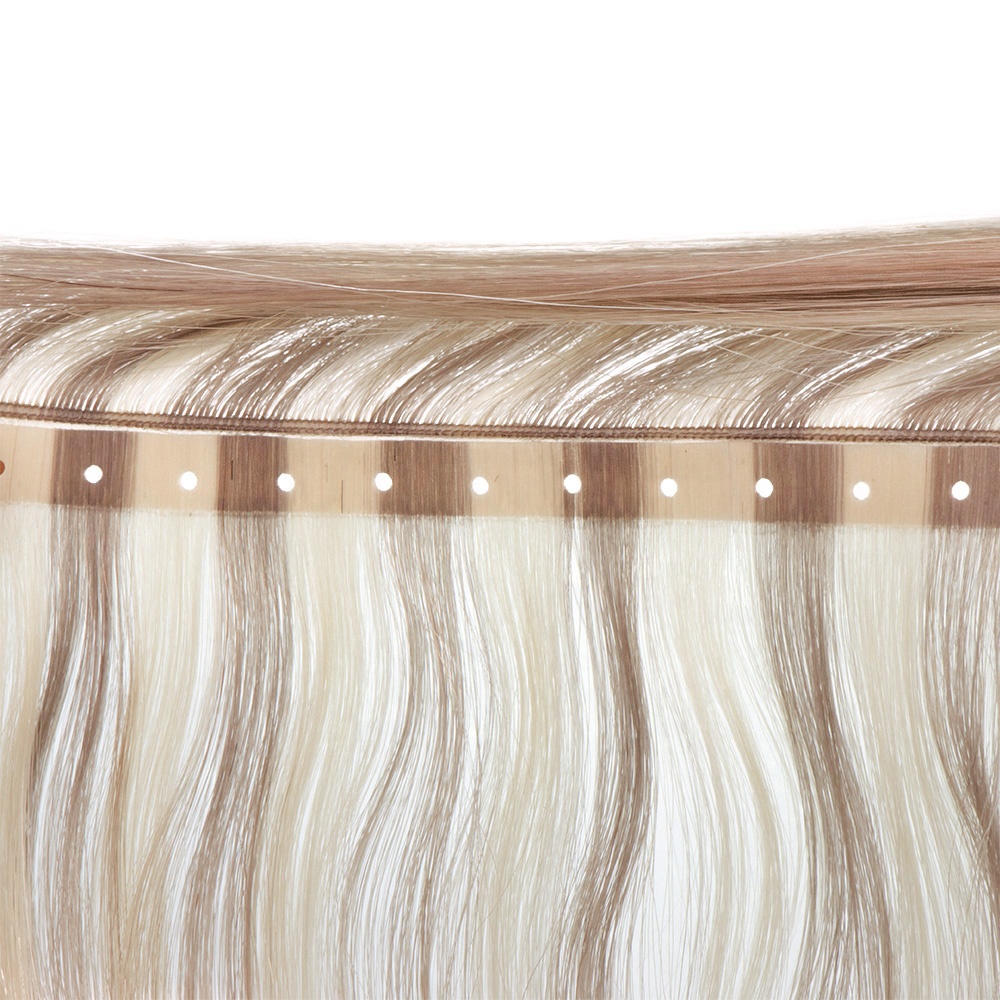
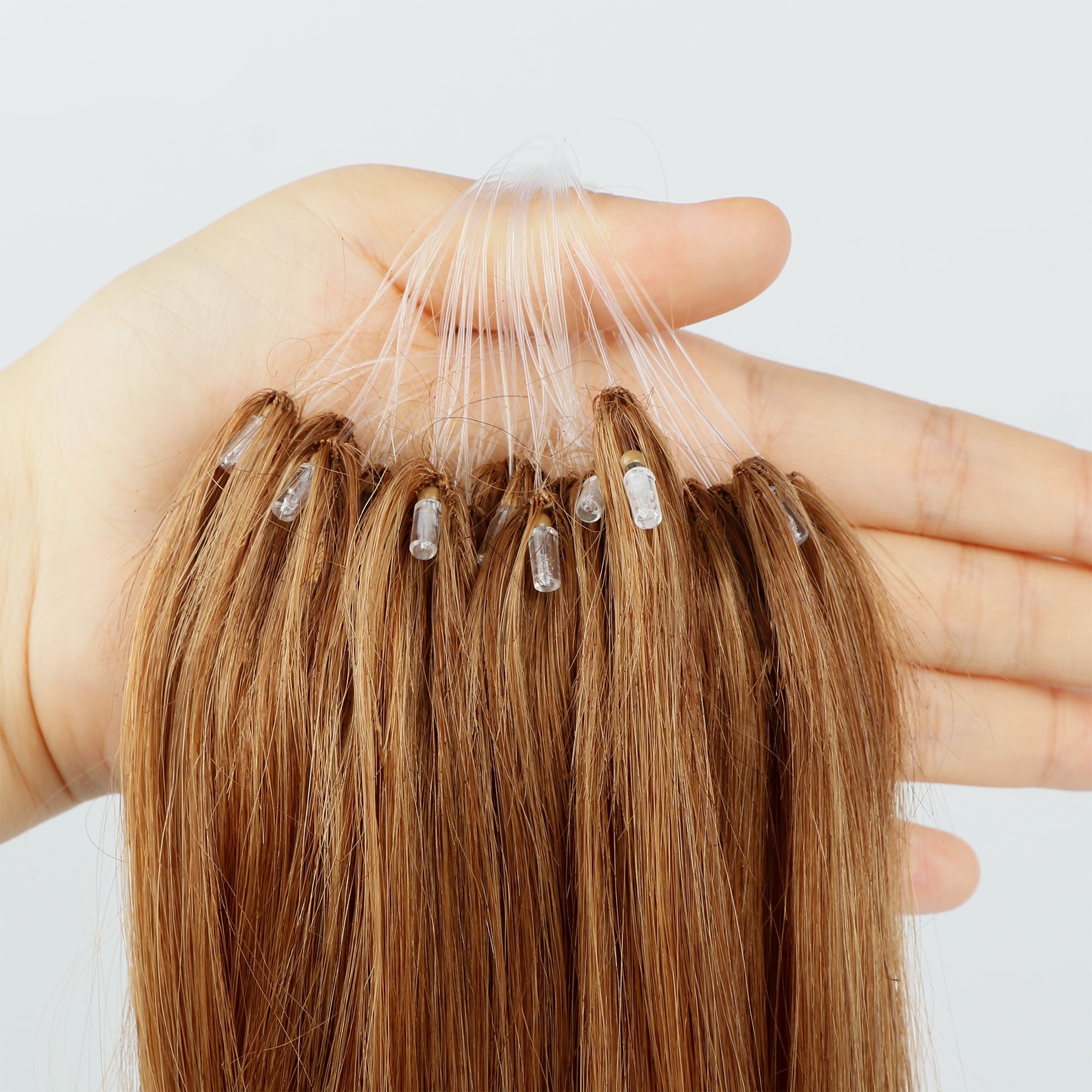
The primary function of slavic extensions is to seamlessly blend with natural hair, creating a fuller, longer appearance within minutes. These extensions utilize advanced attachment methods, including tape-in, clip-in, and bonded application techniques. The technological features of slavic extensions include pre-colored options, heat-resistant synthetic blends, and customizable lengths ranging from twelve to thirty inches.
Slavic extensions work through secure fastening mechanisms that distribute weight evenly across the scalp, minimizing stress on natural hair strands. The durability of slavic extensions typically ranges from three to six months with proper maintenance. Applications include daily wear for individuals experiencing hair loss, temporary volume enhancement for special occasions, and professional styling for performers and models. The versatility of slavic extensions makes them suitable for various hair types and textures, accommodating both straight and wavy natural hair. Quality slavic extensions maintain their integrity through multiple wash cycles and styling procedures, making them a practical investment for long-term hair enhancement solutions.
 ×
×

 EN
EN