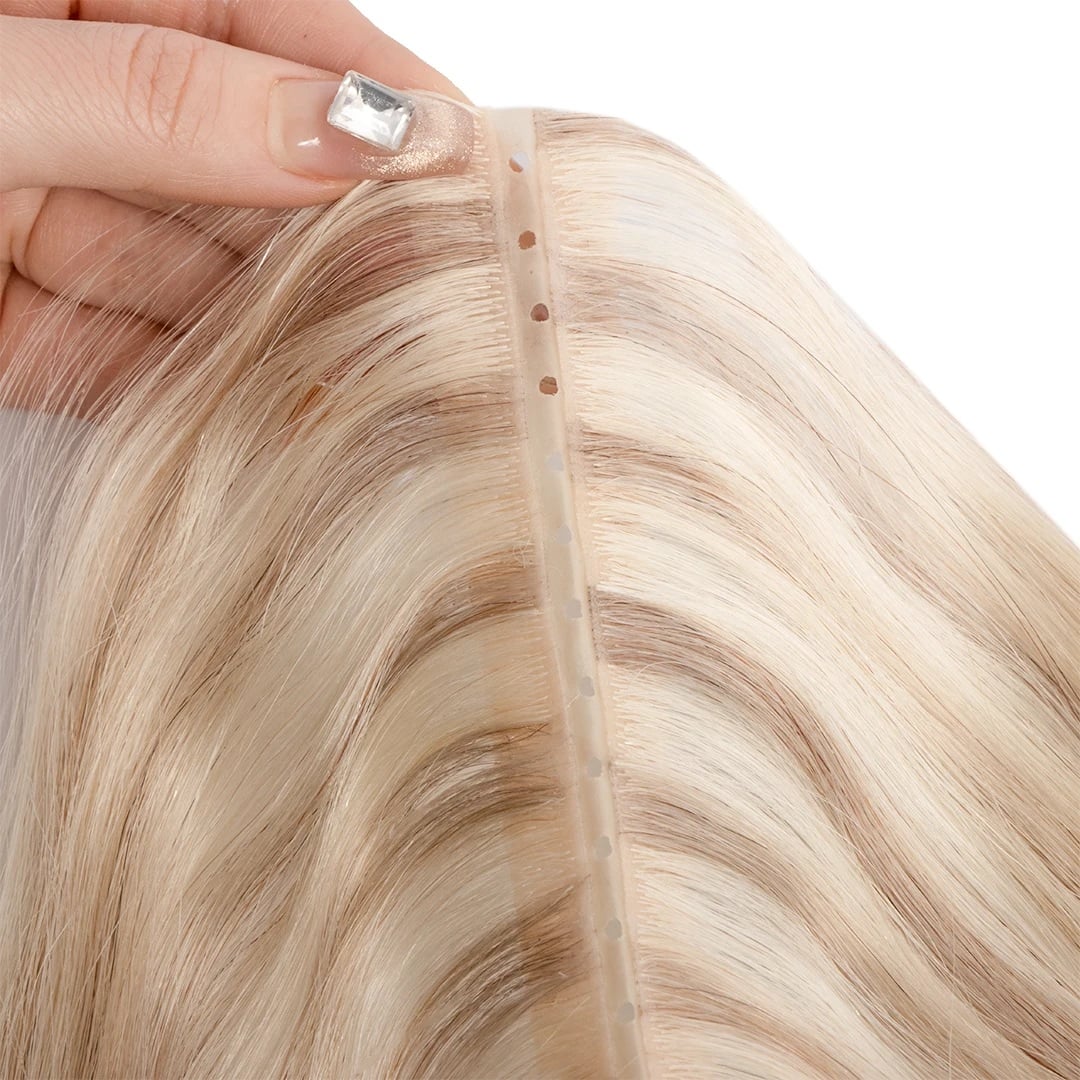
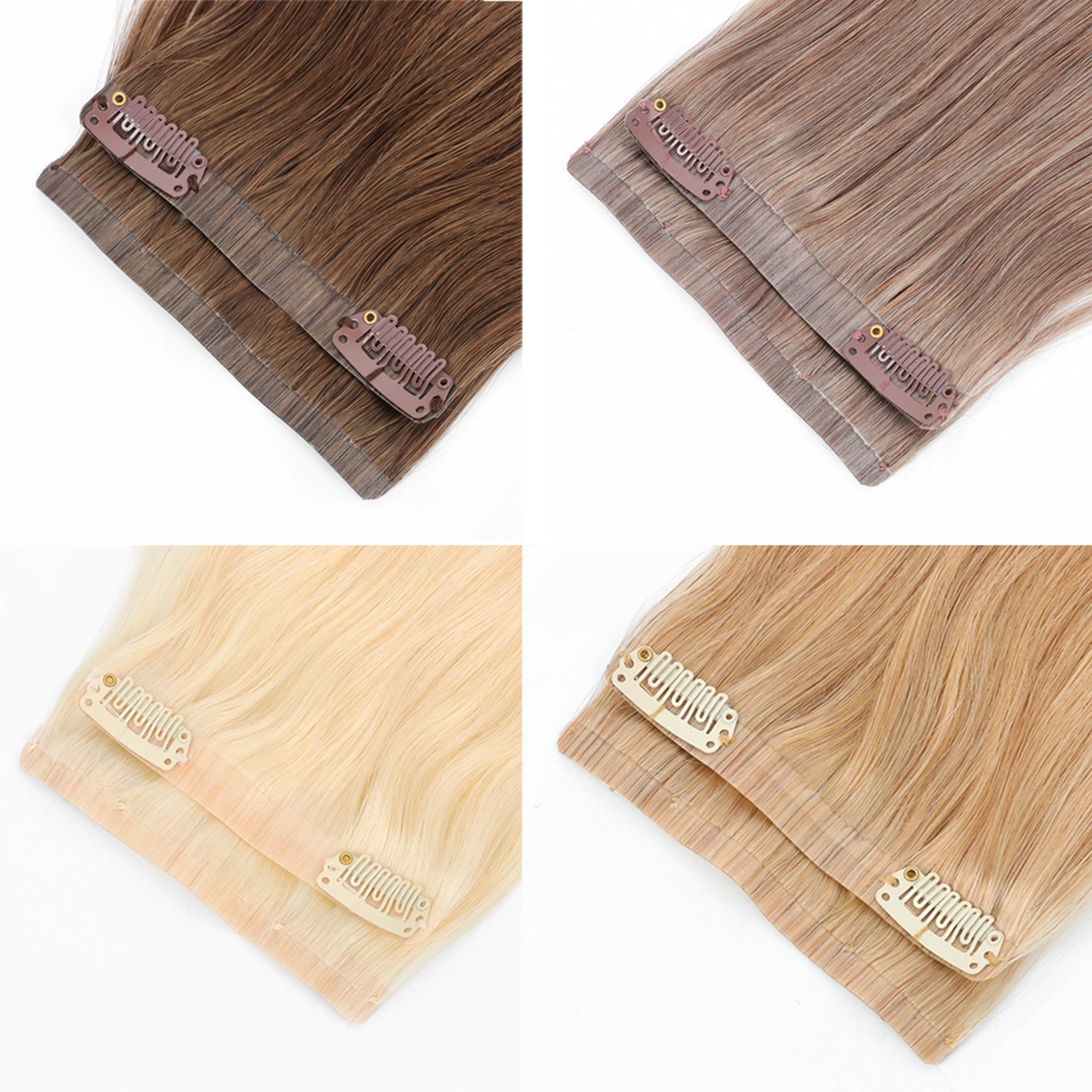
volume weft
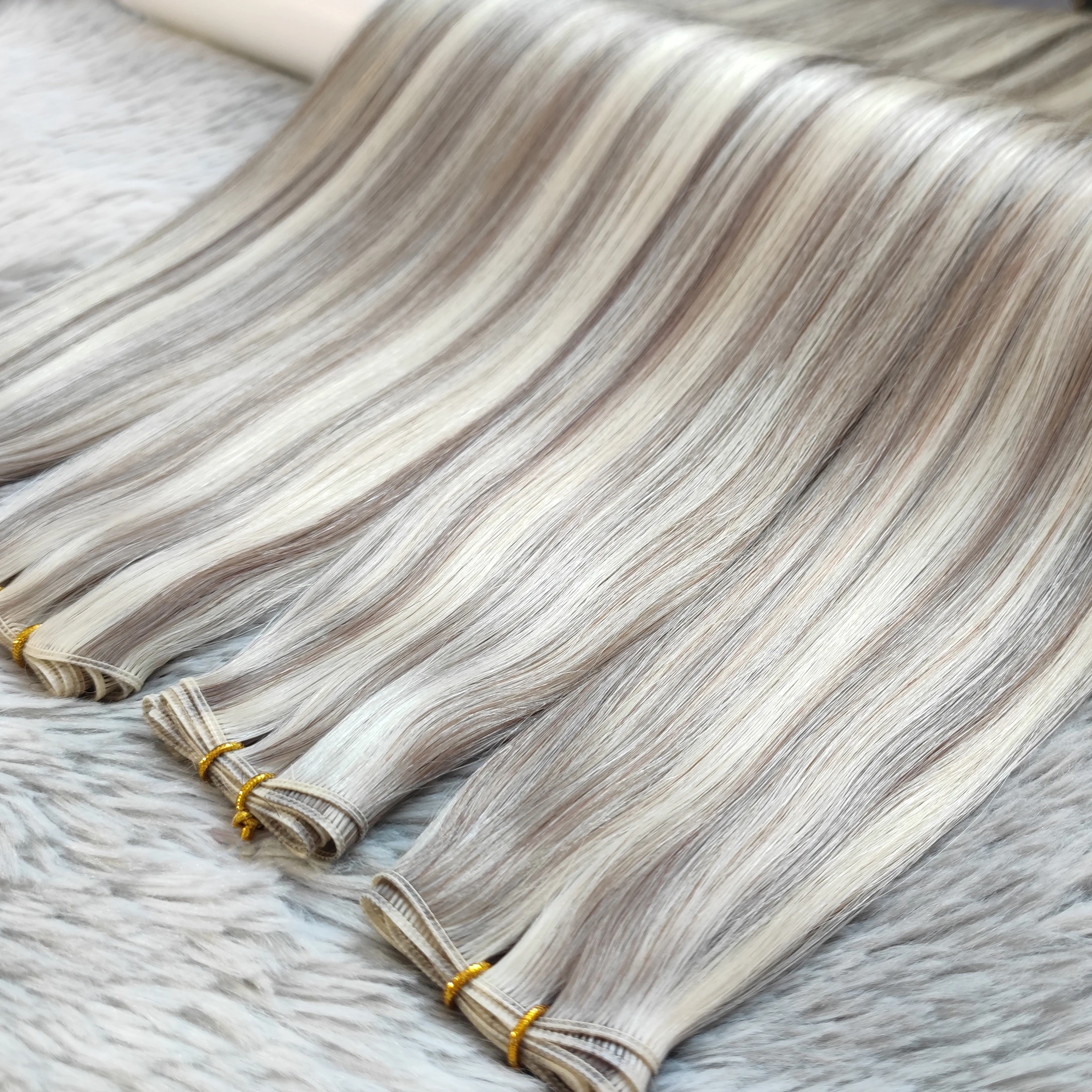
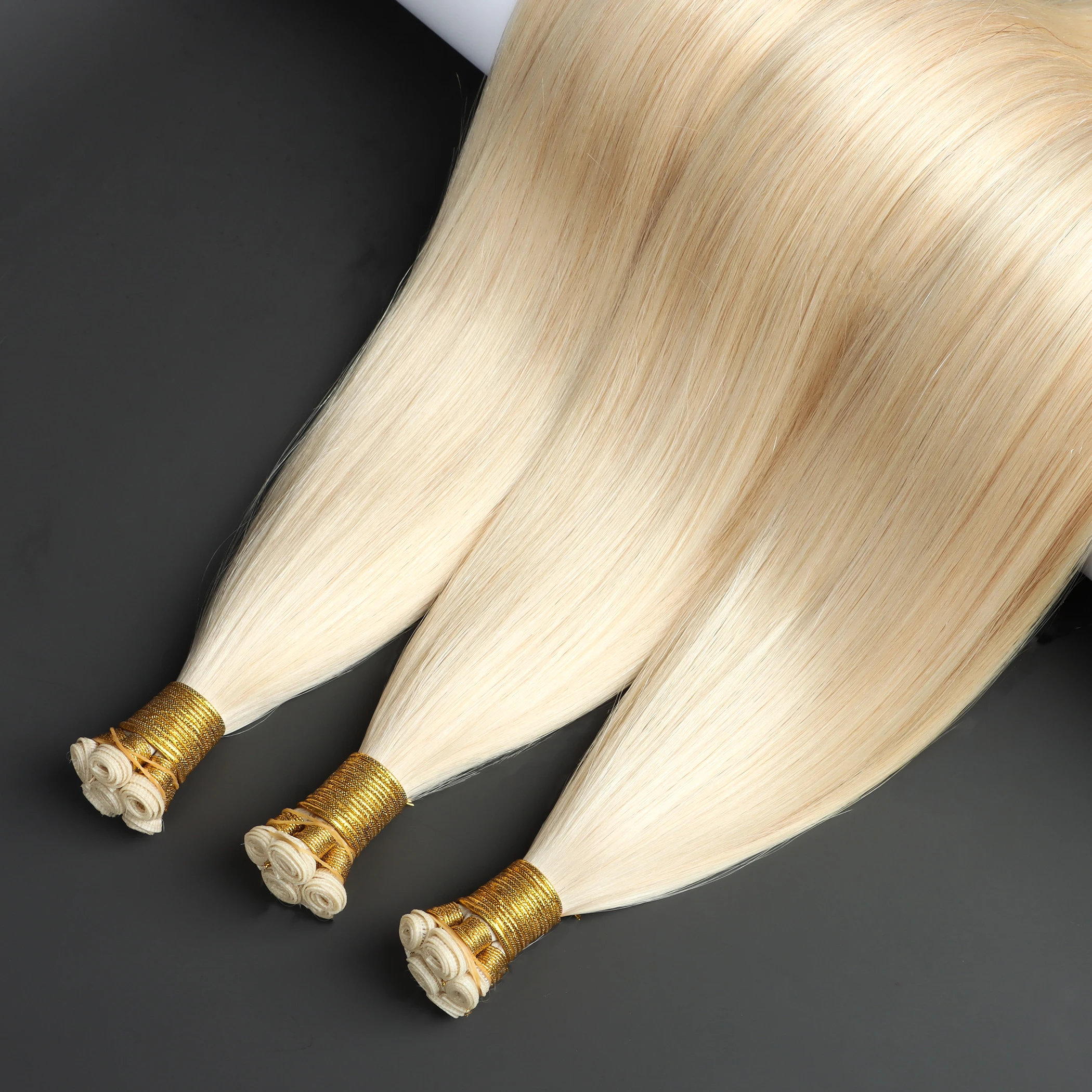
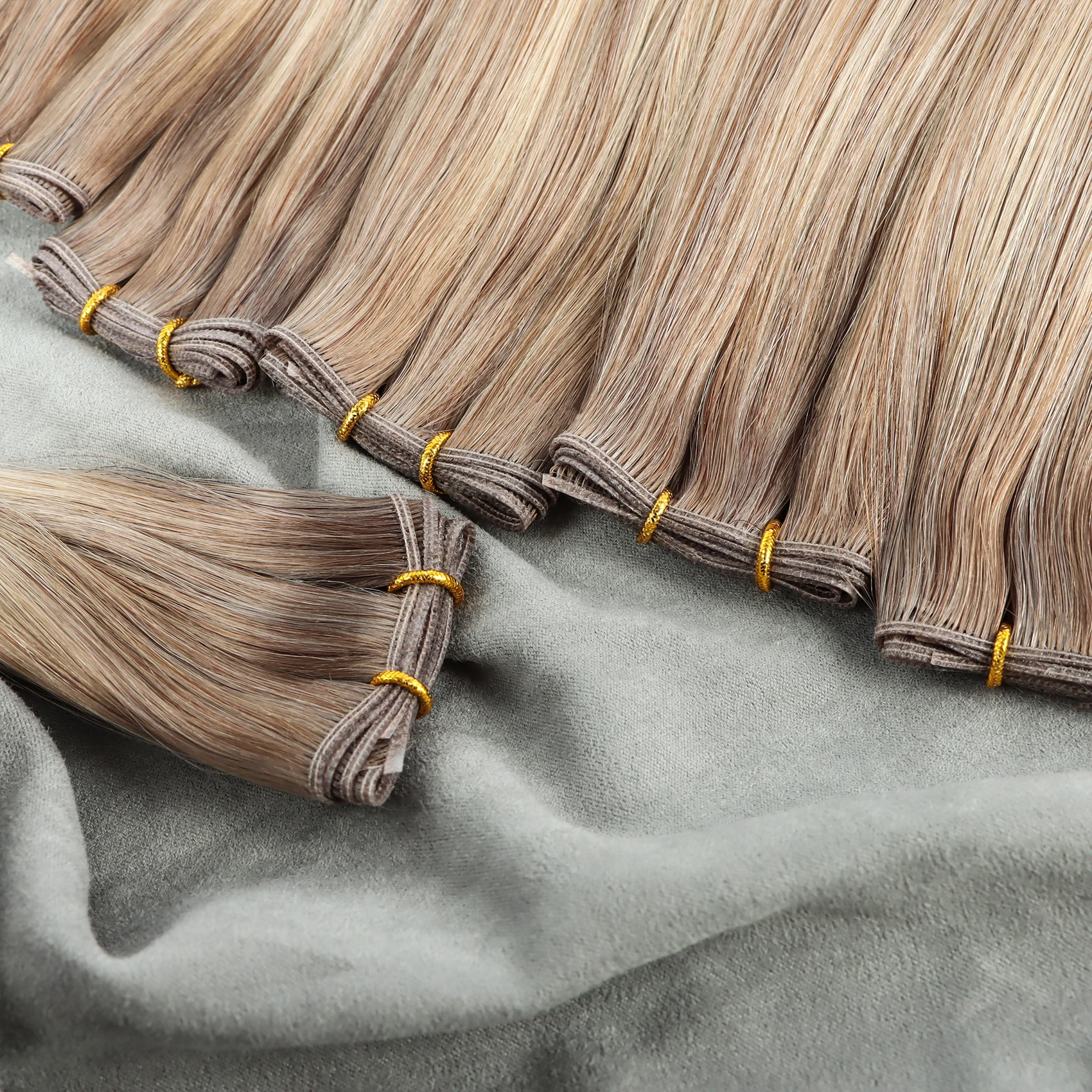
Volume weft represents a revolutionary approach to textile construction and fabric engineering. This specialized weaving technique involves creating densely packed horizontal threads that add significant weight, body, and structural integrity to fabrics. The volume weft method enhances fabric performance by distributing material more effectively throughout the weave structure, resulting in superior durability and visual appeal. The primary function of volume weft is to provide enhanced fabric thickness while maintaining optimal flexibility for various applications. Volume weft technology features advanced thread spacing systems that allow manufacturers to control density levels precisely. This technological innovation enables the creation of textiles with improved dimensional stability and reduced shrinkage rates. Modern volume weft production utilizes computerized loom systems that monitor tension and thread quality in real time. The volume weft technique finds extensive applications across the textile industry, including upholstery fabrics, apparel production, automotive textiles, and industrial materials. Fashion designers appreciate volume weft for creating garments with superior drape and structure. Home furnishing manufacturers use this technology to produce long-lasting upholstery that withstands regular use. Automotive suppliers employ volume weft techniques to manufacture durable interior textiles that meet strict safety standards. The industrial sector benefits from volume weft applications in technical textiles designed for demanding environments. Understanding volume weft technology helps manufacturers optimize production efficiency while meeting consumer demands for quality and performance.
 ×
×



 EN
EN